
Real Estate
Selling a House With a Mold History in Pennsylvania
A mold history doesn't have to sink a Pennsylvania home sale. Disclosing honestly and keeping remediation documentation can actually make the transaction smoother — here's how.
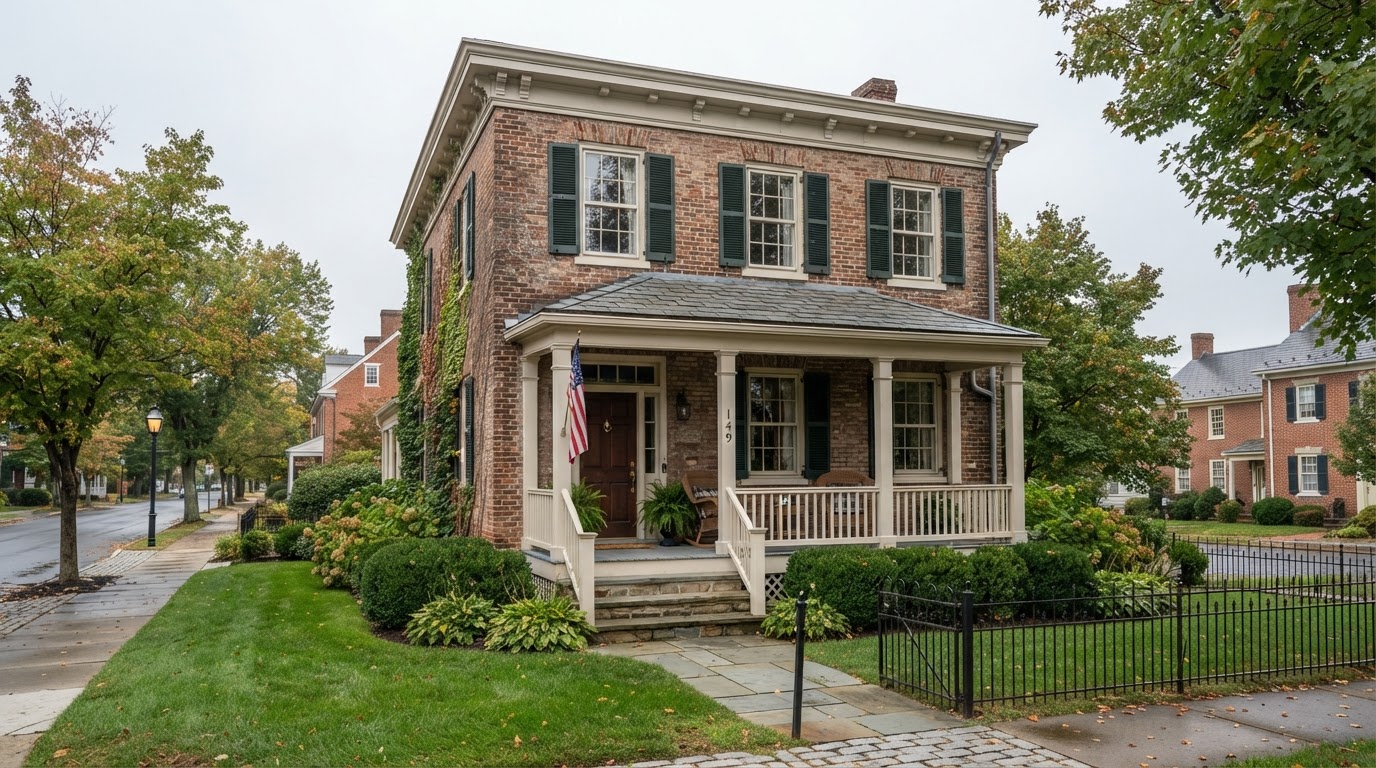
One of the most common questions we hear from Gettysburg and Adams County homeowners is whether a past mold problem will derail a sale. The short answer is that a mold history doesn't have to stop a transaction, but how you handle it — disclose honestly and document the remediation — usually determines whether it becomes a speed bump or a deal-killer.
Pennsylvania disclosure expectations
Pennsylvania sellers and their agents are generally expected to disclose known material defects to a buyer, and a mold problem or a history of water intrusion often falls into that category. Even if you'd rather not bring it up, a real issue tends to surface during the buyer's own inspection anyway, and being upfront almost always works out better than having it discovered later in the process.
This is general information, not legal advice. Disclosure requirements and financing rules can vary by situation and lender. If you're navigating a sale involving mold history, talk to a Pennsylvania real estate attorney or an experienced local agent before you list.
Why documentation is your best asset
The practical path is straightforward: get the affected area tested or inspected, have it properly remediated by a qualified provider rather than painted over, and keep every piece of paperwork. That means an itemized invoice describing the scope of work, before-and-after photos if your remediator provides them, and a clearance report if independent post-remediation testing was performed.
That documentation becomes a selling point at the negotiating table. It shows a buyer, their inspector, and their lender that a known issue was handled correctly, instead of leaving a question mark that can stall a deal or complicate financing. A buyer who sees a clearance report feels very differently about a property than one who hears 'there might have been mold, but it's fine now.'
What to avoid
- Painting over visible growth and calling it resolved — a buyer's inspector will likely catch it, and a masked problem reads worse than an honest one.
- Throwing away documentation after the work is done; keep invoices, scope, and clearance reports where you can find them.
- Assuming the buyer won't ask — disclosure up front is almost always cheaper than discovery mid-transaction.
Before you list
If you're planning to sell and mold has been an issue, the order of operations matters: remediate first, document everything, then disclose with the paperwork in hand. For the full picture on selling with mold in Pennsylvania, see the dedicated section in our main guide, and use the hiring checklist there to choose a remediator whose documentation will actually hold up at an inspection.
More From the Blog
Identifying Mold
Mold vs Mildew: How to Tell the Difference in a Gettysburg Home
Mildew is a surface fungus you can often clean yourself; mold penetrates materials and usually needs remediation. Here's how to tell them apart — and why the moisture source matters more than the name.
Read morePrevention
Using a Dehumidifier in a Gettysburg Basement: What Actually Helps
A dehumidifier is one of the most useful tools for keeping a Gettysburg basement dry, but it's not a cure-all. Here's how to size one, set the right target, and know when it isn't enough.
Read moreLooking for the full guide? See our mold remediation Gettysburg PA homepage, or contact us with a question.