
Prevention
Understanding EPA Mold Guidelines for Gettysburg Homeowners
The EPA's mold guidance isn't a regulation — it's a practical framework for deciding when a mold problem is a DIY cleanup and when it needs professional remediation. Here's what it means for your Gettysburg home.
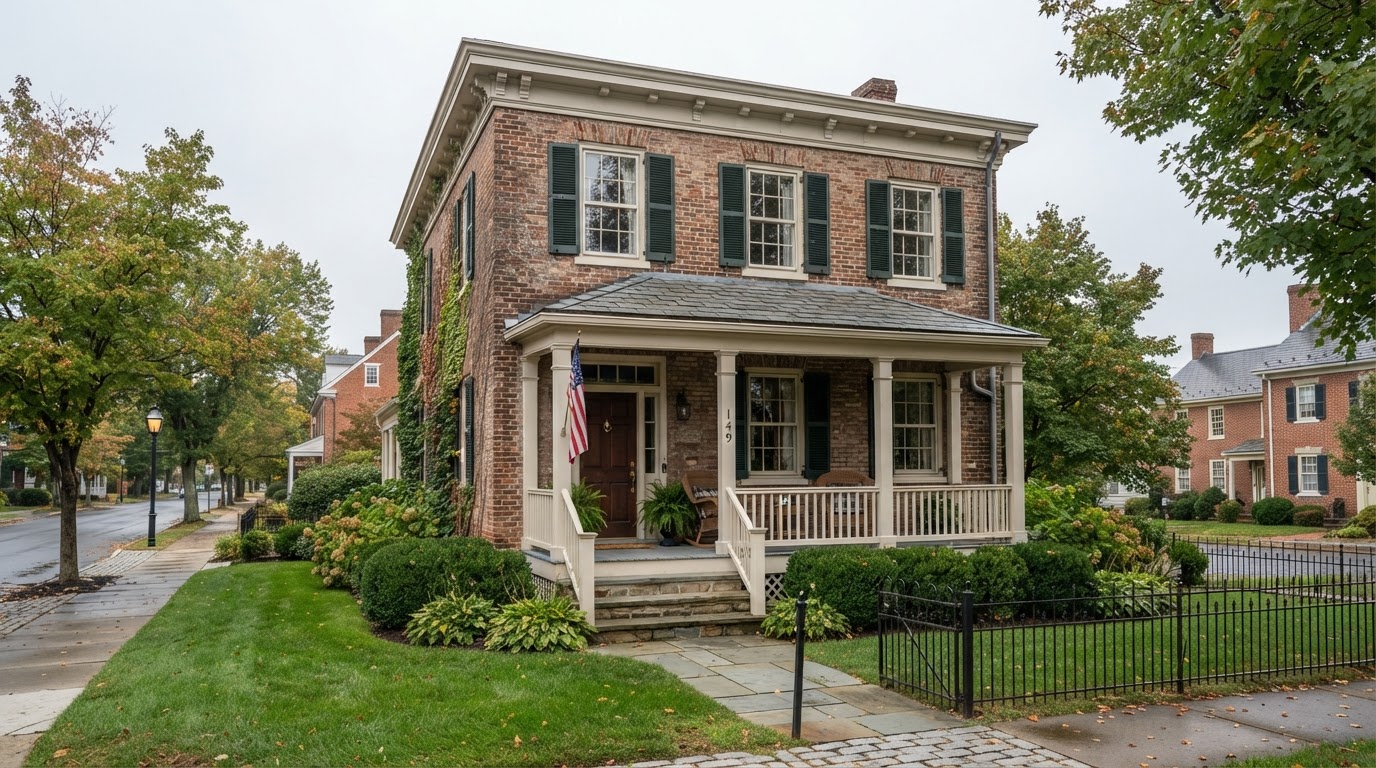
When you're trying to figure out whether a mold problem in your Gettysburg home needs professional remediation or just a thorough cleaning, the U.S. Environmental Protection Agency offers some of the most practical, no-nonsense guidance available. The EPA doesn't regulate mold the way it regulates asbestos or lead — instead, it publishes cleanup recommendations rooted in a straightforward principle: if you can see or smell mold, you have a moisture problem, and fixing that moisture problem is the only thing that keeps mold from coming back.
The EPA's core principle: fix the moisture first
The EPA's mold guidance starts with moisture control because mold can't grow without it. That means identifying and eliminating the source of water — a plumbing leak, roof intrusion, foundation seepage, or simply indoor humidity that stays too high — before any cleanup work begins. The EPA is explicit that cleaning up mold without addressing the underlying moisture is wasted effort, because the growth will return as long as the conditions that caused it persist. For Gettysburg homeowners, this principle maps directly onto the kinds of problems common here: aging basements that wick ground moisture, older foundations without modern vapor barriers, and humid Pennsylvania summers that push indoor humidity above the range where mold thrives.
When the EPA recommends professional help
The EPA suggests that homeowners can typically handle small, contained mold areas themselves — generally speaking, patches under about ten square feet — using appropriate cleaning methods and personal protection. Beyond that threshold, or when mold is hidden behind walls, has contaminated the HVAC system, or stems from a large water event, the EPA recommends bringing in a qualified professional. The agency also notes that anyone with health concerns, compromised immune systems, or mold sensitivities should consider professional remediation regardless of the size of the visible growth. This is consistent with the process we outline in our main guide to mold remediation in Gettysburg, PA: inspect the full scope, contain the area, remove or clean affected materials, dry the space, and verify the result.
Why EPA guidance matters for your home
The EPA's framework gives you a practical decision-making tool: assess the size and location of the growth, identify the moisture source, and decide whether the scope is within your comfort and ability or whether it calls for a professional. It also reinforces the point that fogging or spraying a chemical over visible mold without removing contaminated materials or fixing the moisture source is not a recognized cleanup method — a distinction worth keeping in mind when you're evaluating quotes. For the full step-by-step process and the hiring checklist that helps you vet a remediator against these standards, see our main guide.
Official references
More From the Blog
Identifying Mold
Mold vs Mildew: How to Tell the Difference in a Gettysburg Home
Mildew is a surface fungus you can often clean yourself; mold penetrates materials and usually needs remediation. Here's how to tell them apart — and why the moisture source matters more than the name.
Read morePrevention
Using a Dehumidifier in a Gettysburg Basement: What Actually Helps
A dehumidifier is one of the most useful tools for keeping a Gettysburg basement dry, but it's not a cure-all. Here's how to size one, set the right target, and know when it isn't enough.
Read moreLooking for the full guide? See our mold remediation Gettysburg PA homepage, or contact us with a question.