
Process
Attic Mold in Gettysburg Homes: A Complete Guide
Attic mold is a ventilation problem as much as a contamination one. This guide covers the causes, the signs to look for, and what proper remediation and prevention involve.
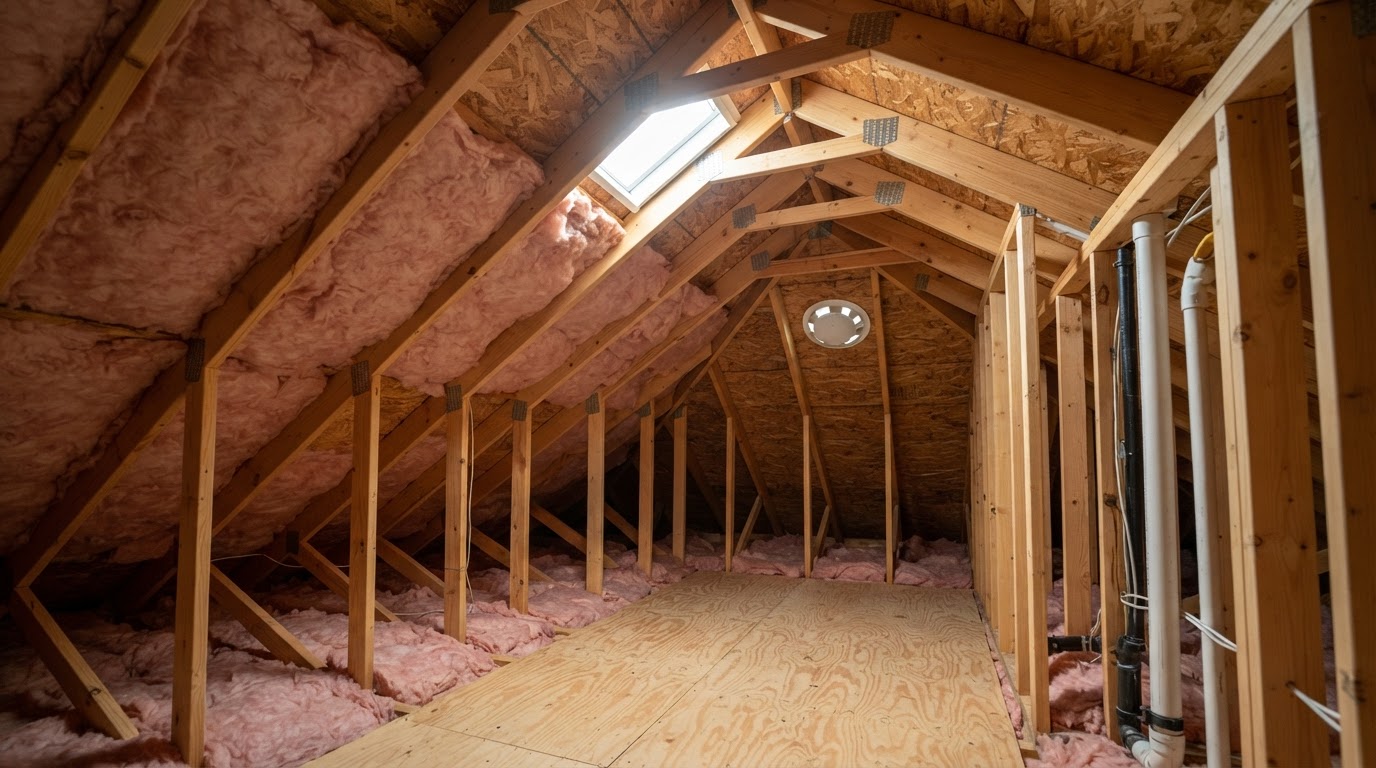
Attic mold is a frequent finding in older Gettysburg-area homes, and it deserves a dedicated guide because the fix is different from mold in a basement or bathroom. In an attic, the moisture almost always comes from below — warm household air rising into a cold, poorly vented space — so remediation only lasts if you correct that airflow. This guide walks through the causes, the signs, and what a complete attic mold job looks like.
Why attics in this area are vulnerable
Gettysburg's cold winters create a sharp temperature difference between the warm living space and the cold roof sheathing. When warm, moist air leaks up through ceiling penetrations, recessed lights, or an unsealed attic hatch, it condenses on the cold wood. Older homes often have undersized or blocked soffit vents and no ridge vent, so that moisture has nowhere to go. Add a bathroom fan vented into the attic instead of through the roof, and you've created near-perfect conditions for mold.
Signs to look for
- Dark staining on the underside of the roof sheathing, often concentrated near the eaves or around nail tips.
- Moist or damp insulation, or insulation pushed back from the soffit vents where it shouldn't be.
- A musty smell in the upper floor or attic access, even when no visible growth is obvious.
- Frost or moisture on the roof sheathing in winter, which signals condensation is occurring.
What proper remediation involves
A complete attic remediation starts with the moisture source: sealing air leaks from below, correcting any misrouted bathroom or dryer vents, and restoring balanced intake and exhaust ventilation. Only then is the affected sheathing cleaned or, where it's heavily contaminated or softened, replaced. Skipping the ventilation work guarantees the mold returns the next winter.
Treating the sheathing with a coating and calling it done, without fixing ventilation, is not remediation. It's a cosmetic fix over an ongoing moisture problem.
Preventing it from coming back
Prevention comes down to three things: keep warm, moist air out of the attic by air-sealing the ceiling below, make sure insulation isn't blocking soffit vents, and confirm the attic has balanced intake and exhaust ventilation. For the full remediation process and cost factors, see our main guide to mold remediation in Gettysburg, PA, and use the cost estimator to set expectations before you call a contractor.
More Guides
Process
The Mold Remediation Process Explained, Step by Step
Remediation isn't one action — it's a sequence. This guide walks through every step from inspection to clearance testing, so you know what a complete job looks like.
Read moreCost
Mold Remediation Cost Factors: What Actually Drives the Price
Mold remediation prices vary more than most homeowners expect. This guide breaks down the real cost drivers — and why no honest contractor can give you a number without seeing the space.
Read moreLooking for the full guide? See our mold remediation Gettysburg PA homepage, or contact us with a question.